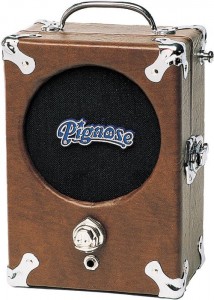
Every live band wants to be the best band that they can be. I’ve seen so many bands that practice, practice, practice and never really feel ready to get out and play a gig. I’ve seen bands begin and end in the practice studio without ever getting out and playing a live show. The biggest reason for this is the fact that the band never feels ready to get out and play a gig. So they practice and practice until they’re bored and then they end up giving up. (more…)
I’ve played in a lot of different live bands over the years and one of the biggest challenges I’ve faced is keeping the show moving along at nice pace. What I mean is minimizing space between songs, also known as Dead Air. Dead air happens between songs and can be a serious show killer. If you aren’t engaging your crowd, you’re losing them and that’s a bad thing.
There are some key ways to minimize dead air between songs. The most important is to have a well organized, printed set list for every person in the band. When you plan your setlist it’s a good idea to group songs into sets of 3 that are easy to transition from song to song. When setting up a group of 3 songs you can group them by instrument changes, tunings, singer rotation or effect settings. After awhile, your band will remember what songs are grouped together in three’s and be able to transition quickly between those songs. This makes it easy to tweak your set list on the fly and still maintain some continuity by keeping the 3-song sets together. (more…)
Matt's band "In Stereo" plays outside at the 2002 Winter Olympics
It’s the time of year when many live bands will have opportunities to play outside in some cold weather. I know I’ve played outdoor New Year’s Eve gigs, gigs on outside decks at ski resorts and some sweet gigs outdoors at the 2002 Olympics in Salt Lake City. For a live band, it’s essential stagecraft to know how to deal with cold weather. I’ve played in temperatures well below freezing and I’ve learned a few things along the way. Here’s a list of things you’ll want to consider when playing outdoor winter gigs. I’ll discuss each in more detail below:
What type of stage will you be playing on?
Will there be any stage heating?
What types of clothes should you wear?
How can you keep your hands warm?
How do you care for your instruments in the cold weather? (more…)
The season is upon us and it’s time to play those holiday gigs that come to all working live bands. I don’t know if your band is like mine, but it seems like every year we talk about learning a Christmas song or two and we just never seem to get around to it. So the holidays come and we just play the same old stuff at our shows. That’s why I’m going to give you some tips on preparing some holiday songs for your live band so you can be ready for the season.
Obviously the most important thing is timing when to learn the song. It’s better to learn the song well before your holiday shows. So if you’re planning on playing some Christmas songs in December, it’s a good idea to start learning them in October. By learning the songs that far in advance, you’ll be able to iron out the rough spots and really do a good performance of the song when your holiday shows come. Believe me, your audience will be able to tell if you learned the song 3 days before the show. (more…)
One of the least fun things about playing in a live band is hauling your equipment around. Of course, having the right equipment is crucial to being able to put on a live gig. So it seems like the longer you play in a band, the more equipment you acquire and then have to haul to your gigs. It’s a problem that can quickly get out of hand and can leave you feeling overwhelmed when it’s time to load up and haul all your equipment to the gigs.
When I started playing in bands I had one electric guitar, one distortion pedal and one amplifier. It wasn’t bad to haul that small setup even though my amp was really heavy. Naturally over the years I added more guitars that I used onstage, more effect pedals and multiple amplifiers. When my guitar rig was at it’s biggest I was hauling 3 guitars, two amplifiers, an effects rack, multiple effects pedals, wireless guitar system, microphones to mic the amps and all the necessary audio and power cables to hook everything up. I also had to haul my vocal microphone, mic stand, guitar stands and a couple racks of lights to the gigs. Needless to say, I hated hauling all that gear even though it was necessary to my show. (more…)
I’ve played to audiences of 1 person and I’ve played to audiences of 10,000 people over the course of my career in a live band. I’ve made some basic mistakes over the years and I’ve learned some good lessons from them. One mistake that I made early on in my career was not seizing the moment and giving an over-the-top show when I’ve played in front of very large audiences.
I consider a large crowd to be anything over 1000 people. I have played to audiences of 1000 or more quite a few times over the course of my career as a live musician. It’s such a great feeling to look out and see a big crowd but it can also be quite intimidating and I’ve blown it a couple times. (more…)
Today I’m going to address a topic that is a personal pet peeve of mine. I personally don’t like labeling artists as either “Good” or “Bad”. That goes for anybody that creates a work of art including painters, writers, musicians or any other person that creates something from nothing. Art is subjective and what’s beautiful to one person, may seem ugly to another. But, my real pet peeve is the labeling of something as unique as an individual human voice as either “Good” or “Bad”. The sad thing is that I hear comments from the crowd about good vs. bad singing every time I watch a live band play. (more…)
One thing I’ve found from all my years of playing in a live band is that things are constantly changing. The type and quality of equipment is always changing. The current popular songs are always changing. Your live band has to constantly change as well just to keep up with everything else. Believe me, the best way to let your band die is to refuse to change.
One of the biggest problems I see in live bands is they become unwilling to change to fit the their ever changing environment. The biggest reason for this is because of plain old laziness. It takes work to keep your band up to date and relevant. The biggest mistake that bands make is an unwillingness to change their set list. You really need to get rid of songs that you’ve been playing forever and start learning some new songs. Your song list should be constantly added to and changed up at gigs. (more…)
A couple weeks ago my live band , In Stereo, was faced with a situation that you hope you never have to deal with. We had an important gig scheduled and one day before the gig our drummer, Ted, came down with a life threatening staff infection in his ankle. It was very obvious as soon as he was admitted into the hospital that there was no way he would be able to play the gig. That left us with a commitment to fulfill with the club that had us booked and as you know, the show must go on. So what are your options in a live band when one of your core members goes down? (more…)
One of the most essential skills a live singer must develop is the ability to memorize song lyrics. As a singer in a live band you may be called on to memorize 40 songs or more worth of lyrics. That seems like an overwhelming amount of song lyrics to memorize when you look at that number. The fact is, singers do it all the time and believe it or not it’s not an insurmountable task. As with everything that you’ll do in a band, it begins with the first step. Today I’m going to talk about some tips that will help you in your quest to memorize a setlist worth of song lyrics.
All big tasks are easier when you break them down into smaller parts. The first thing you need to do is decide what song you want to memorize. It helps if you’re already familiar with the song but even if it’s a new song that you’re not familiar with there is a specific way to approach memorizing every song that you want to learn. The first thing you should do is find a copy of the lyrics. We used to have to sit with a recording of the song and struggle to figure out what the singer was saying. Doing that took a lot of time and led to a lot of lyrical errors. (more…)